Understanding Why High Blood Pressure Is Often Silent
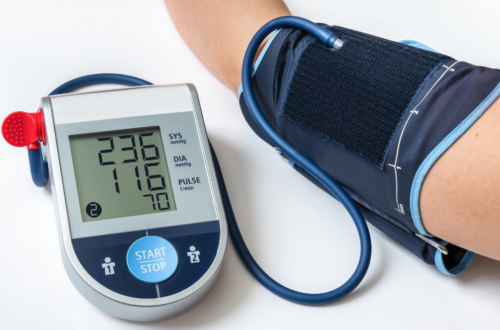
High blood pressure, or hypertension, often goes unnoticed. This “silent killer” affects nearly half of American adults, according to the CDC (2023). Without obvious symptoms, many people remain unaware until serious health issues develop. In this article, you’ll learn why high blood pressure is often silent, the potential risks involved, and how you can take control of your health effectively.
[IMAGE: Doctor checking a patient’s blood pressure]
What Makes High Blood Pressure a “Silent Killer”?
High blood pressure, or hypertension, earns its nickname “silent killer” because it often presents no symptoms. According to the American Heart Association, many people with hypertension feel perfectly fine, which is why regular screening is crucial. Without routine check-ups, you might miss early warning signs that could prevent serious complications like heart attack or stroke. For instance, John, a 45-year-old engineer, discovered his hypertension only during a routine physical, highlighting how easily it can go undetected.
The Health Risks of Unchecked Hypertension
Unchecked high blood pressure can lead to severe health issues. The CDC reports that hypertension increases the risk of heart disease and stroke, two leading causes of death in the U.S. (2023). Additionally, hypertension can damage the kidneys and eyes over time. A study published in the Journal of the American Medical Association found that prolonged high blood pressure can also cause cognitive decline, emphasizing the importance of early detection and management.
Recognizing the Subtle Signs
While high blood pressure usually lacks clear symptoms, some subtle signs can suggest its presence. For example, frequent headaches, shortness of breath, or nosebleeds could be linked to hypertension. However, these symptoms aren’t exclusive to high blood pressure and often appear only when blood pressure has reached a dangerous level, according to the Mayo Clinic. If you experience any of these symptoms regularly, consulting with a healthcare professional is crucial.
Expert Insight
“Regular monitoring and lifestyle changes are vital for managing hypertension. Even without symptoms, high blood pressure can lead to life-threatening conditions,” says Dr. Lisa Nguyen, Cardiologist at the Heart Health Institute.
Key Statistics
- Nearly 116 million U.S. adults have hypertension (CDC, 2023).
- Only about 1 in 4 adults with hypertension have their condition under control (CDC, 2023).
- Hypertension contributes to over 500,000 deaths annually in the U.S. (American Heart Association, 2023).
Frequently Asked Questions
How often should I check my blood pressure?
It’s recommended to check your blood pressure at least once every two years if your readings are normal. If you have a history of high blood pressure or related risk factors, more frequent monitoring is advisable. Consult your healthcare provider for personalized advice.
Can lifestyle changes help reduce high blood pressure?
Yes, lifestyle changes such as eating a balanced diet, exercising regularly, and reducing salt intake can help manage and lower high blood pressure. Quitting smoking and limiting alcohol can also improve blood pressure levels.
When should I see a doctor about my blood pressure?
If your blood pressure readings are consistently above 130/80 mm Hg, or if you experience symptoms like severe headaches or chest pain, seek medical advice promptly. Early intervention can prevent complications.
The Bottom Line
High blood pressure is a common, yet potentially dangerous condition that often goes unnoticed. Regular monitoring and healthy lifestyle choices can significantly reduce the risks associated with hypertension. Stay informed and proactive about your blood pressure health.
Next step: [INTERNAL: managing-high-blood-pressure]
This article is for informational purposes only and is not a substitute for professional medical advice. Always consult your healthcare provider for any medical concerns.
Last updated: January 2026