Understanding Blood Pressure Risks After 40
High blood pressure, often called the “silent killer,” poses significant risks as you age. Once you hit 40, your risk of developing hypertension increases, making it crucial to understand the implications and management strategies. This article will guide you through the specific risks associated with high blood pressure after 40, backed by expert insights and current statistics, helping you make informed decisions about your health.
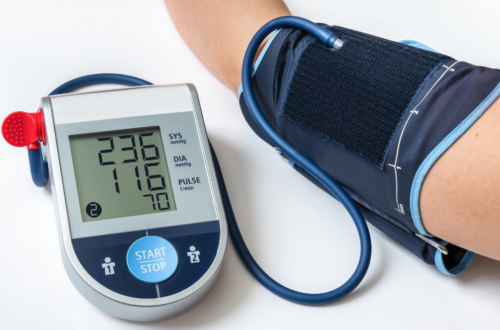
[IMAGE: Middle-aged person having their blood pressure checked]
Why Blood Pressure Matters More After 40
As you age, your blood vessels naturally lose elasticity, which can lead to increased blood pressure. The American Heart Association notes that blood pressure tends to rise with age, making those over 40 more susceptible to hypertension. This condition can lead to severe health issues, including heart disease, stroke, and kidney damage. Managing blood pressure becomes vital to reducing these risks. Lifestyle changes, such as a balanced diet and regular exercise, can significantly impact your blood pressure. For example, reducing sodium intake and increasing potassium can help manage levels effectively.
Recognizing the Signs and Symptoms
High blood pressure often shows no symptoms until it has caused damage. This makes regular monitoring essential, especially after 40. According to the CDC, nearly half of the adults in the U.S. have hypertension, yet many are unaware. Symptoms such as headaches, shortness of breath, or nosebleeds typically don’t occur until blood pressure has reached a severe or life-threatening stage. Routine check-ups can detect changes early, allowing for timely intervention. Consider purchasing a home blood pressure monitor for regular tracking, ensuring you stay aware of your health status.
Impact of Lifestyle on Blood Pressure
Lifestyle choices play a crucial role in managing blood pressure. The CDC reports that reducing weight by just 5-10% can lower your risk of hypertension. Physical inactivity and poor diet are significant contributors to high blood pressure. Engaging in at least 150 minutes of moderate exercise weekly, such as brisk walking or cycling, can improve your heart health. Additionally, stress management techniques, like yoga or meditation, can be beneficial. Limiting alcohol and quitting smoking are also critical steps toward maintaining healthy blood pressure levels.
Expert Insight
“Regular monitoring and lifestyle changes are key to managing blood pressure as you age. It’s never too late to start taking control of your health.” – Dr. Emily Carter, Cardiologist, MPH
Key Statistics
- Nearly 50% of U.S. adults have high blood pressure (CDC, 2023).
- Only 1 in 4 adults with hypertension have it under control (American Heart Association, 2022).
- Hypertension is a primary or contributing cause of death for more than 500,000 Americans annually (CDC, 2023).
Frequently Asked Questions
What blood pressure readings indicate hypertension?
Hypertension is diagnosed when blood pressure readings consistently exceed 130/80 mm Hg. It’s crucial to monitor regularly and consult a healthcare provider for accurate diagnosis.
How can diet affect blood pressure?
A diet high in sodium and low in potassium can increase blood pressure. The DASH diet, which emphasizes fruits, vegetables, and whole grains, is recommended to help manage levels.
When should I see a doctor about my blood pressure?
See a doctor if you experience consistently high readings or symptoms like severe headaches or dizziness. Regular check-ups are vital for early detection and management.
The Bottom Line
High blood pressure poses significant risks after 40, but with regular monitoring and lifestyle modifications, you can manage your health effectively. Understanding your risks and taking proactive steps are essential to preventing complications. Next step: [INTERNAL: how-to-lower-blood-pressure-naturally]
This article is for informational purposes only and does not substitute professional medical advice. Consult a healthcare provider for personalized guidance.
Last updated: January 2026