Recognizing Early Signs of High Blood Pressure
High blood pressure, or hypertension, often goes unnoticed until it causes serious health issues. This silent condition can lead to heart disease, stroke, and other complications if not detected early. Understanding the early signs and when to seek medical advice is crucial for maintaining your heart health. In this article, you’ll learn about the subtle symptoms of high blood pressure, supported by expert insights and relevant statistics.
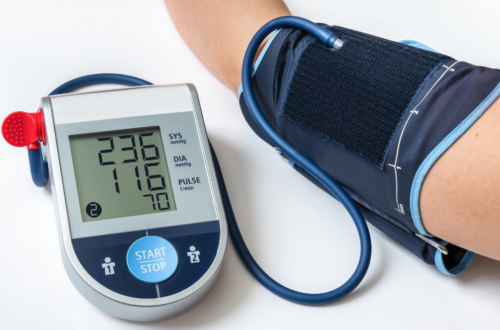
[IMAGE: Healthcare professional measuring blood pressure of a middle-aged patient]
Understanding High Blood Pressure
High blood pressure is a common condition affecting nearly half of adults in the United States, according to the CDC (2021). Blood pressure measures the force of blood against the walls of your arteries. When this pressure is consistently too high, it can lead to serious health problems, including heart disease and stroke. The early signs of hypertension are often subtle, making it essential to monitor your blood pressure regularly, especially if you have risk factors such as obesity, smoking, or a family history of hypertension.
Subtle Symptoms to Watch For
Many people with high blood pressure experience no symptoms, which is why it’s often called the “silent killer.” However, some early signs can include headaches, shortness of breath, or nosebleeds. These symptoms are not specific to hypertension and usually don’t occur until the condition has reached a severe or life-threatening stage. If you experience these symptoms frequently, it’s wise to consult your healthcare provider.
Expert Insight
“Regular blood pressure checks are essential, especially if you’re over age 40 or have a family history of hypertension,” says Dr. Emily Tran, a cardiologist with over 20 years of experience. “Early detection can prevent long-term damage to your heart and arteries.”
When to See a Doctor
If you have consistent blood pressure readings of 130/80 mm Hg or higher, it’s essential to consult a healthcare professional. The American Heart Association (AHA, 2023) recommends checking your blood pressure at least once a year if you’re over 18 and more frequently if you have risk factors. Early intervention can help manage the condition effectively and reduce the risk of complications.
Key Statistics
- Nearly 116 million U.S. adults have high blood pressure (CDC, 2021).
- Only about 24% of people with hypertension have it under control (CDC, 2021).
- High blood pressure costs the nation about $131 billion annually (AHA, 2023).
Frequently Asked Questions
What are the main risk factors for high blood pressure?
Risk factors include age, family history, obesity, lack of physical activity, tobacco use, and excessive alcohol consumption. Monitoring these factors can help manage your risk.
Can lifestyle changes help lower blood pressure?
Yes, adopting a healthy diet, regular exercise, reducing salt intake, and quitting smoking can significantly lower blood pressure. Always consult with your doctor before making major lifestyle changes.
Is high blood pressure hereditary?
Genetics can play a role in your risk for high blood pressure. If your parents or close relatives have hypertension, you may be at higher risk and should monitor your blood pressure regularly.
The Bottom Line
Recognizing the early signs of high blood pressure and understanding your risk factors are crucial steps in protecting your heart health. Regular monitoring and lifestyle adjustments can help manage hypertension effectively. If you suspect high blood pressure, consult a healthcare professional without delay.
Next step: [INTERNAL: managing-high-blood-pressure]
This article is for informational purposes only and does not constitute medical advice. Always consult your doctor for medical concerns.
Last updated: January 2026