Daily Habits That Raise Blood Pressure
Your daily routine might be affecting your health more than you realize. High blood pressure, or hypertension, affects nearly half of American adults, according to the CDC (2021). Understanding the habits that contribute to elevated blood pressure is crucial for managing your health. In this article, you’ll learn about common lifestyle choices that may impact your blood pressure, backed by expert insights and actionable advice.
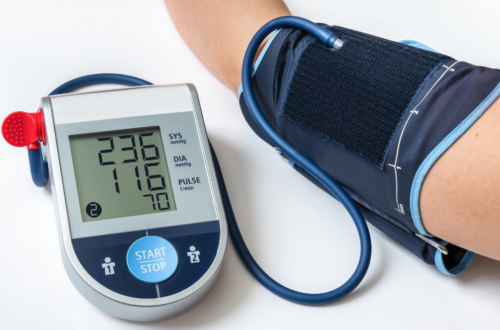
[IMAGE: Person checking blood pressure at home]
Excessive Salt Consumption
Many people unknowingly consume more salt than they should, which can significantly contribute to high blood pressure. The American Heart Association (AHA) recommends no more than 2,300 milligrams of sodium per day, with an ideal limit of 1,500 milligrams for most adults. However, the average American intake is about 3,400 milligrams daily (CDC, 2020). Processed foods, canned soups, and restaurant meals often contain hidden sodium. To reduce your intake, check nutrition labels, cook more meals at home, and flavor your dishes with herbs and spices instead of salt.
Insufficient Physical Activity
A sedentary lifestyle is a well-known risk factor for hypertension. Regular physical activity helps your heart use oxygen more efficiently, which can lower your blood pressure. The CDC suggests at least 150 minutes of moderate aerobic exercise, like brisk walking, per week. If you’re currently inactive, start small by incorporating short walks into your day or trying activities like cycling or swimming. Not only will this help manage your blood pressure, but it will also improve your overall cardiovascular health.
High Stress Levels
Chronic stress can contribute to increased blood pressure. When stressed, your body releases hormones that temporarily elevate blood pressure by causing your heart to beat faster and your blood vessels to narrow. While occasional stress is normal, chronic stress can lead to long-term hypertension. Techniques like mindfulness, meditation, and yoga can help manage stress levels effectively. According to a study published in the Journal of Clinical Hypertension (2022), individuals practicing mindfulness-based stress reduction experienced significant decreases in blood pressure levels.
Excessive Alcohol Consumption
While moderate alcohol consumption can have some heart health benefits, excessive drinking raises blood pressure. The CDC defines moderate drinking as up to one drink per day for women and up to two drinks per day for men. More than this can lead to long-term increases in blood pressure and other cardiovascular issues. To mitigate these risks, consider setting limits for yourself and keeping track of your alcohol intake. If you find it challenging to cut back, seek support from healthcare professionals or support groups.
Expert Insight
“Lifestyle changes, such as reducing salt intake and increasing physical activity, can have a profound effect on blood pressure management. It’s crucial for individuals to recognize their daily habits’ impact on their health.” — Dr. Emily Thompson, Cardiologist
Key Statistics
- Nearly 47% of U.S. adults have hypertension (CDC, 2021).
- Reducing sodium intake by 1,000 milligrams per day can lower blood pressure significantly (AHA).
- Regular exercise can lower systolic blood pressure by 4-9 mmHg (Mayo Clinic).
Frequently Asked Questions
What is considered high blood pressure?
High blood pressure is when the force of the blood against your artery walls is too high. It’s defined as a systolic pressure of 130 mmHg or higher or a diastolic pressure of 80 mmHg or higher (AHA).
How quickly can lifestyle changes affect blood pressure?
Improvements can begin within a few weeks of making changes, such as reducing salt intake and increasing physical activity. Consistency is key for long-term effects.
When should I see a doctor about my blood pressure?
If you consistently measure blood pressure readings above 130/80 mmHg, or if you have other risk factors such as diabetes or heart disease, consult a healthcare professional.
The Bottom Line
Understanding and modifying your daily habits can significantly impact your blood pressure and overall health. By reducing salt intake, staying active, managing stress, and moderating alcohol consumption, you can take proactive steps to maintain healthy blood pressure levels. Next step: [INTERNAL: lifestyle-changes-to-lower-blood-pressure]
This article is for informational purposes only and is not a substitute for professional medical advice. Always consult your doctor for medical concerns.
Last updated: January 2026