How Stress Impacts Blood Pressure and Your Health
Understanding stress and its effect on your body is crucial for maintaining health. Stress is a normal part of life, but chronic stress can lead to serious health issues, including high blood pressure. In this article, you’ll learn how stress influences blood pressure, explore scientific insights, and discover practical tips to manage stress effectively.
[IMAGE: Person practicing yoga in a peaceful setting]
The Connection Between Stress and Blood Pressure
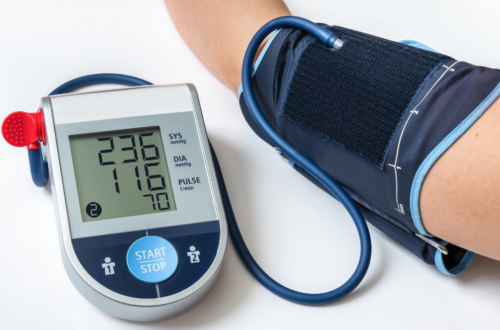
Stress triggers a complex physiological response, releasing hormones like adrenaline and cortisol. These hormones prepare your body for a ‘fight or flight’ reaction, temporarily increasing your heart rate and narrowing your blood vessels. This process can cause your blood pressure to rise. According to the American Heart Association, while temporary spikes in blood pressure are normal, chronic stress can contribute to long-term high blood pressure (hypertension), a leading risk factor for heart disease and stroke.
Scientific Insights on Stress and Hypertension
Research indicates that chronic stress may contribute to hypertension by promoting unhealthy behaviors such as overeating, excessive alcohol consumption, and smoking. A 2022 study published in the Journal of Hypertension found that individuals experiencing high stress levels were 22% more likely to develop hypertension compared to those with lower stress levels. Furthermore, the National Institutes of Health (NIH) emphasizes that stress management techniques can mitigate these risks by improving overall cardiovascular health.
Effective Stress Management Techniques
Managing stress is essential for maintaining healthy blood pressure levels. Techniques such as regular physical activity, mindfulness meditation, and deep breathing exercises can significantly reduce stress. The Centers for Disease Control and Prevention (CDC) recommends at least 150 minutes of moderate exercise weekly, which can lower stress and improve heart health. Additionally, cognitive-behavioral therapy (CBT) has shown effectiveness in stress reduction by changing negative thought patterns.
Expert Insight
“Chronic stress can have a profound impact on your cardiovascular system. Incorporating stress-reducing activities into your daily routine is vital for maintaining a healthy blood pressure,” says Dr. Sarah Johnson, Cardiologist at the Mayo Clinic.
Key Statistics
- 70% of adults in the U.S. experience stress or anxiety daily (American Psychological Association, 2020).
- Chronic stress increases the risk of hypertension by 22% (Journal of Hypertension, 2022).
- Regular physical activity can reduce stress by 20% (CDC, 2021).
Frequently Asked Questions
Can stress alone cause high blood pressure?
While stress alone isn’t a direct cause of long-term high blood pressure, it can lead to behaviors that increase your risk. Chronic stress can also contribute to temporary spikes in blood pressure.
What are some quick stress-relief techniques?
Quick stress-relief techniques include deep breathing exercises, taking a short walk, practicing mindfulness, or engaging in a brief meditation session. These methods can help lower stress levels quickly.
When should I see a doctor about stress-related blood pressure issues?
If you experience frequent headaches, chest pain, or persistent high blood pressure readings, consult a healthcare provider. They can help determine if stress is affecting your blood pressure and suggest appropriate interventions.
The Bottom Line
Managing stress is crucial for maintaining healthy blood pressure and overall well-being. Incorporate regular exercise, mindfulness, and healthy lifestyle choices to keep stress levels in check. If you’re concerned about stress affecting your blood pressure, consult your healthcare provider.
Next step: [INTERNAL: managing-hypertension-naturally]
This article provides general information and is not a substitute for professional medical advice. Always consult your healthcare provider for personalized recommendations.
Last updated: January 2026