How Poor Sleep Increases Blood Pressure: Essential Insights
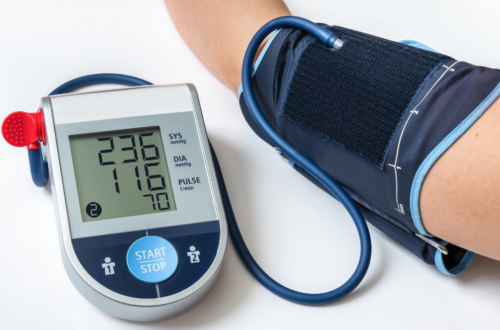
Poor sleep can quietly wreak havoc on your health. One of its significant impacts is on your blood pressure, a critical factor in overall wellness. Understanding how inadequate sleep contributes to hypertension can empower you to make informed lifestyle changes. This article explores the connection between sleep and blood pressure and offers actionable advice for better sleep quality.
[IMAGE: A person struggling to sleep, looking at the clock]
The Connection Between Sleep and Blood Pressure
Sleep is crucial for maintaining bodily functions, including the regulation of blood pressure. During sleep, your body undergoes critical restorative processes. According to the American Heart Association, sleep deprivation disrupts the autonomic nervous system, which controls blood pressure (AHA, 2021). When you don’t get enough sleep, your body remains in a heightened state of alert, releasing stress hormones that can elevate blood pressure. For instance, studies show that individuals sleeping fewer than six hours per night are at higher risk of developing hypertension compared to those who sleep seven to eight hours (NIH, 2022).
The Science Behind Sleep and Hypertension
Research indicates that poor sleep quality, characterized by frequent awakenings or restless nights, can lead to chronic health conditions. A 2023 study published in the Journal of Clinical Sleep Medicine found that individuals with sleep disorders, such as sleep apnea, have a significantly increased risk of hypertension. Sleep apnea causes repeated pauses in breathing, reducing oxygen levels and prompting the body to increase blood pressure as a compensatory mechanism. This cycle can lead to sustained hypertension, even during waking hours (JCSM, 2023).
Expert Insight
“Sleep plays a fundamental role in heart health. By neglecting it, we risk developing conditions like hypertension, which could be easily prevented with adequate rest.” — Dr. Emily Carter, Cardiologist and Sleep Specialist
Key Statistics
- Adults who sleep less than six hours have a 20% higher risk of hypertension (CDC, 2021).
- 50% of individuals with sleep apnea also have hypertension (AHA, 2023).
- Every hour of sleep lost increases the risk of high blood pressure by 10% (NIH, 2022).
Frequently Asked Questions
How does lack of sleep affect blood pressure?
Insufficient sleep increases stress hormones like cortisol, which can elevate blood pressure. This is because your body remains in a state of heightened alertness instead of the restful state needed for recovery.
Can improving sleep habits lower blood pressure?
Yes, adopting better sleep hygiene can significantly impact blood pressure levels. Consistent sleep schedules, a comfortable sleep environment, and limiting caffeine intake before bed can help improve sleep quality and reduce hypertension risk.
When should I see a doctor about sleep-related high blood pressure?
If you consistently experience poor sleep and notice symptoms of high blood pressure, like headaches or chest pains, consult your doctor. They can evaluate your symptoms and suggest appropriate interventions.
The Bottom Line
Understanding the link between poor sleep and high blood pressure is crucial for maintaining heart health. Prioritizing quality sleep can reduce your risk of hypertension and improve overall well-being. Consider evaluating your sleep habits and making necessary adjustments to support heart health.
Next step: [INTERNAL: improving-sleep-quality-for-heart-health]
This article provides general information and is not a substitute for professional medical advice. Always consult your healthcare provider for personalized guidance.
Last updated: January 2026