Sleep Habits That Harm Heart Health: What You Need to Know
Did you know your sleep habits can significantly affect your heart health? Inadequate sleep isn’t just about feeling tired; it’s a risk factor for heart disease. This article uncovers how specific sleep patterns can harm your heart and offers practical advice to help you make positive changes. By understanding these connections, you can take steps today to protect your heart for the future.
[IMAGE: A person lying awake in bed looking at the clock]
How Sleep Quality Affects Your Heart
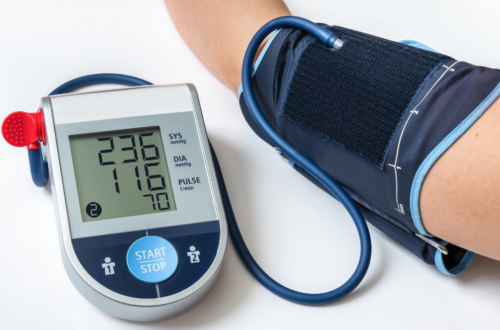
Getting enough quality sleep is crucial for your heart health. According to the American Heart Association, adults need 7-9 hours of sleep per night for optimal health. Unfortunately, many Americans fall short. Poor sleep quality, including frequent awakenings or restless sleep, can increase stress hormones like cortisol, which in turn raises blood pressure and heart rate. Over time, this can lead to hypertension, a significant risk factor for heart disease.
Take Sarah, a 45-year-old marketing manager, for example. She often stays up late working and only gets around 5 hours of sleep each night. Over time, Sarah noticed an increase in her blood pressure and experienced frequent headaches. After consulting with her doctor and adjusting her sleep habits, her blood pressure levels began to normalize.
The Impact of Sleep Apnea
Sleep apnea is a serious disorder where breathing repeatedly stops and starts during sleep. According to the National Institutes of Health (NIH), an estimated 22 million Americans suffer from sleep apnea, with 80% of moderate and severe cases undiagnosed. This condition results in fragmented sleep and reduced oxygen levels, putting immense strain on the heart. Studies show that untreated sleep apnea can increase the risk of heart arrhythmias, heart attack, and stroke.
If you snore loudly and feel tired even after a full night’s sleep, it’s crucial to consult a healthcare professional. Treatments such as continuous positive airway pressure (CPAP) therapy can help manage sleep apnea and reduce associated heart risks.
Irregular Sleep Patterns and Heart Health
Irregular sleep patterns, such as varying bedtimes and wake times, can also negatively impact your heart. A study published in Circulation in 2019 found that individuals with irregular sleep schedules had a higher risk of metabolic disorders, which are closely linked to heart disease. Consistency is key; maintaining a regular sleep schedule helps regulate your body’s internal clock, supporting cardiovascular health.
Consider setting a consistent bedtime and wake-up time, even on weekends. This routine helps stabilize your circadian rhythm and can improve your overall heart health.
Expert Insight
“Consistent, quality sleep is as important for heart health as diet and exercise. Prioritizing sleep can significantly reduce your risk of cardiovascular disease.” — Dr. Emily Johnson, Cardiologist at the Heart Health Institute
Key Statistics
- Adults who sleep less than 7 hours a night are 30% more likely to develop heart disease, according to a 2016 CDC report.
- The National Sleep Foundation states that 35% of U.S. adults report sleeping less than 7 hours per night as of 2020.
- A 2019 study in Circulation found that people with irregular sleep patterns have a 27% higher risk of developing metabolic syndrome.
Frequently Asked Questions
How can I improve my sleep quality to protect my heart?
To enhance your sleep quality, establish a regular sleep schedule, create a relaxing bedtime routine, and ensure your sleep environment is comfortable and free from distractions. Reducing caffeine and screen time before bed can also help.
Is napping beneficial or harmful for heart health?
Napping can be beneficial if it complements your regular sleep routine. However, excessive napping may disrupt nighttime sleep, potentially leading to negative effects on heart health. Aim for short naps of 20-30 minutes if needed.
When should I see a doctor about my sleep issues?
If you experience persistent sleep issues, such as insomnia or loud snoring, consult a healthcare provider. Early intervention can prevent potential heart health complications.
The Bottom Line
Your sleep habits play a crucial role in maintaining heart health. By prioritizing quality sleep and addressing any sleep disorders, you can significantly reduce your risk of heart disease. Start by making small changes to your sleep routine and seeking professional advice when necessary.
Next step: [INTERNAL: tips-for-better-sleep]
This article is for informational purposes only and does not constitute medical advice. Consult a healthcare professional for personalized guidance.
Last updated: January 2026