Understanding Fines for Driving Without Insurance in the US
Driving without insurance can lead to serious consequences. Every state in the US has laws requiring drivers to have auto insurance, but penalties for non-compliance can vary widely. This article will guide you through the fines and penalties associated with driving without insurance, state-specific laws, and the potential impact on your driving record and finances.
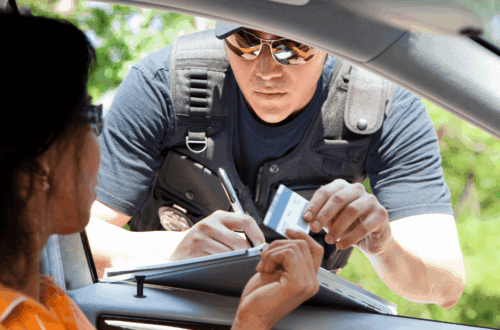
[IMAGE: Driver being pulled over by police for routine check]
Penalties for Driving Without Insurance
In the US, auto insurance is a legal requirement in most states. Driving without insurance can result in fines, license suspension, and even vehicle impoundment. For instance, in California, you might face fines up to $1,000 for a first offense, whereas in Florida, your license could be suspended for up to three years. It’s crucial to understand your state’s requirements to avoid these penalties.
State-Specific Variations
The consequences of driving without insurance vary significantly from state to state. In New York, drivers caught without insurance can face fines of $150 to $1,500, depending on the circumstances, and a surcharge of $750 to restore their license. In contrast, Alaska imposes a maximum fine of $500, but repeated offenses could lead to jail time. Always check your state’s Department of Motor Vehicles (DMV) website for the most current regulations.
Expert Insight
“Failing to carry auto insurance is not just a legal issue; it’s a financial risk. The costs associated with an accident without coverage can be devastating.” — Sarah Johnson, Insurance Expert at AutoRisk Advisors
Key Statistics
- Approximately 13% of drivers in the US are uninsured, according to the Insurance Research Council.
- The average fine for driving without insurance is around $500, but can be as high as $5,000 in severe cases.
- Uninsured drivers cause an estimated $28 billion in damages annually, reports the Insurance Information Institute.
Frequently Asked Questions
What happens if I’m caught driving without insurance?
If you’re caught driving without insurance, you can face fines, license suspension, and increased insurance premiums. The penalties depend on your state’s laws.
Can driving without insurance affect my credit score?
While the act itself doesn’t affect your credit score, unpaid fines or judgments resulting from an accident without insurance coverage could impact your credit.
Is there a grace period for renewing car insurance?
Most states do not offer a grace period for car insurance renewal. Driving without active coverage, even for a short period, can result in penalties.
The Bottom Line
Driving without insurance is a risky choice with significant financial and legal repercussions. Understanding your state’s laws and maintaining continuous coverage is essential to avoid fines and other penalties. If you have questions, consider reaching out to your state’s DMV or a qualified insurance professional.
Next step: [INTERNAL: how-to-choose-car-insurance]
This is not legal advice. For specific legal guidance, consult a professional attorney or your local DMV.
Last updated: January 2026