Daily Habits That May Raise Your Blood Pressure
Ever wonder why your blood pressure readings are higher than expected? Understanding the daily habits that might contribute to elevated blood pressure can empower you to make healthier choices. This article explores common lifestyle factors affecting blood pressure and offers practical tips to help you manage them effectively.
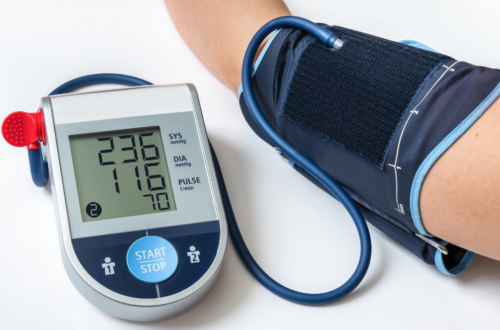
[IMAGE: Image of a person checking their blood pressure with a monitor]
Understanding the Impact of Diet
Your diet plays a pivotal role in maintaining healthy blood pressure levels. Consuming excessive amounts of sodium, often found in processed foods, can significantly increase your blood pressure. According to the CDC, the average American consumes more than 3,400 mg of sodium daily, far exceeding the recommended limit of 2,300 mg. Reducing your intake of processed foods and choosing fresh ingredients can help manage sodium levels. Additionally, incorporating potassium-rich foods like bananas, spinach, and sweet potatoes can counteract sodium’s effects and promote heart health.
The Role of Physical Inactivity
Physical inactivity is another major contributor to high blood pressure. The American Heart Association suggests at least 150 minutes of moderate exercise per week to maintain cardiovascular health. Regular physical activity strengthens the heart, enabling it to pump blood with less effort, which can lower pressure on the arteries. Simple activities like brisk walking or cycling can make a significant difference. For instance, a study published in the Journal of Hypertension (2022) found that individuals who exercised regularly had an average systolic blood pressure reduction of 4-9 mm Hg.
Stress and Blood Pressure
Chronic stress can lead to sustained high blood pressure. When stressed, your body releases hormones that temporarily increase blood pressure by causing your heart to beat faster and your blood vessels to narrow. Practicing stress-reduction techniques, such as yoga, meditation, or deep breathing, can be beneficial. A study from the National Institutes of Health (2023) indicates that mindfulness practices can lower blood pressure by an average of 5 mm Hg.
The Influence of Sleep Patterns
Inconsistent or insufficient sleep can negatively affect your blood pressure. The Sleep Foundation recommends 7-9 hours of quality sleep per night for adults. Poor sleep can interfere with your body’s ability to regulate stress hormones and maintain a healthy nervous system, which can elevate blood pressure. Establishing a regular sleep schedule and creating a restful environment can improve sleep quality and support cardiovascular health.
Expert Insight
“Lifestyle modifications, including diet and exercise, are fundamental in managing blood pressure. Even small changes can have a significant impact.” — Dr. Lisa Thompson, Cardiologist, MD
Key Statistics
- Nearly 47% of adults in the United States have hypertension (CDC, 2023).
- Regular physical activity can reduce systolic blood pressure by 4-9 mm Hg (Journal of Hypertension, 2022).
- Reducing sodium intake by 1,000 mg per day can lower blood pressure by about 5-6 mm Hg (NIH, 2023).
Frequently Asked Questions
Can caffeine affect my blood pressure?
Caffeine can cause a temporary spike in blood pressure, but its long-term effects vary. If you’re concerned, monitor your blood pressure before and after consuming caffeine to see how it affects you.
How does alcohol consumption influence blood pressure?
Excessive alcohol intake can increase blood pressure. Limiting alcohol to moderate levels—up to one drink daily for women and two for men—can help manage blood pressure.
When should I see a doctor about my blood pressure?
If you consistently have readings above 130/80 mm Hg, consult your healthcare provider. They can evaluate your risk factors and develop a personalized management plan.
The Bottom Line
Addressing daily habits like diet, exercise, stress, and sleep can significantly impact your blood pressure. Implement small, sustainable changes to maintain healthy levels. If you’re concerned about your blood pressure, seek professional advice to tailor recommendations to your needs.
Next step: [INTERNAL: managing-high-blood-pressure-naturally]
This article is for informational purposes only and is not a substitute for professional medical advice. Always consult your healthcare provider for guidance specific to your health condition.
Last updated: January 2026