Can Naps Improve Heart Health? The Science Behind It
Could a simple nap boost your heart health? With heart disease as the leading cause of death in the U.S., understanding all potential protective measures is crucial. This article explores the relationship between napping and heart health. You’ll learn about the scientific evidence behind naps, key statistics, expert insights, and practical lifestyle tips for a healthier heart.
[IMAGE: Person peacefully napping in a sunlit room]
Understanding the Link Between Naps and Heart Health
Napping is often seen as a luxury, but it might also be a boon for your heart. According to a study conducted by the American College of Cardiology in 2019, occasional napping was associated with a lower risk of heart attack and stroke. The researchers analyzed data from over 3,400 participants aged between 35-75 and found that those who napped once or twice a week had a 48% reduction in heart attack and stroke risk compared to non-nappers. This suggests that napping might help the heart by reducing stress and offering a chance for cardiovascular recovery.
The Science of Napping: How It Affects Your Body
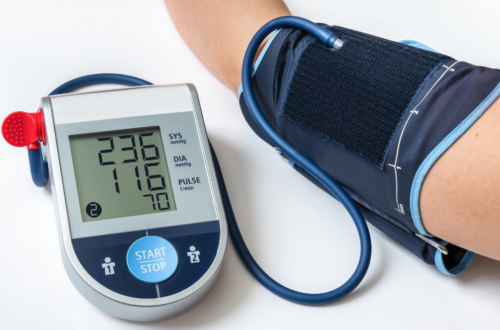
When you nap, your body undergoes several physiological changes that can be beneficial for heart health. A short nap, ideally 20-30 minutes, can lower stress hormones like cortisol, improve mood, and decrease fatigue. The National Sleep Foundation notes that naps can help with blood pressure control, which is crucial because hypertension is a major risk factor for heart disease. Additionally, naps can enhance cognitive performance and alertness, which indirectly supports a healthier lifestyle by maintaining the energy needed for regular physical activity.
Expert Insight
“Napping can be a strategic tool for heart health, particularly if it complements a healthy lifestyle with adequate nighttime sleep.” — Dr. Sara Mednick, Sleep Researcher and Author of “Take a Nap! Change Your Life.”
Key Statistics
- Heart disease is the leading cause of death in the U.S., with about 697,000 deaths in 2020 (CDC).
- Regular napping (once or twice a week) can reduce heart disease risk by up to 48% (American College of Cardiology, 2019).
- Hypertension affects nearly half of American adults, a key risk factor mitigated by stress reduction through napping (CDC, 2022).
When to See a Doctor About Napping
If you find yourself needing naps frequently or feeling excessively tired during the day, it could be a sign of an underlying health issue, such as sleep apnea or chronic fatigue syndrome. It’s important to discuss persistent fatigue or sleepiness with your healthcare provider. They can help determine whether your napping habits are beneficial or if they indicate a need for further evaluation.
Frequently Asked Questions
How long should a nap be for optimal heart health?
Experts recommend keeping naps short, ideally between 20-30 minutes. This duration is long enough to recharge without entering deep sleep, which can lead to grogginess and disrupt nighttime sleep.
Can napping replace a good night’s sleep?
Napping is not a substitute for adequate nighttime sleep. The CDC recommends 7-9 hours of sleep per night for adults. Naps can supplement sleep but should not replace it.
Are there any risks associated with napping?
Excessive napping or naps longer than 90 minutes might interfere with nighttime sleep and could be linked with increased risk of heart issues if they indicate poor nighttime sleep quality. Always consult a healthcare provider if concerned.
The Bottom Line
While napping can offer heart health benefits, it should be part of a broader healthy lifestyle that includes regular exercise, a balanced diet, and good nighttime sleep. If you’re considering incorporating naps into your routine for heart health, aim for short, regular naps and consult a healthcare provider if you experience persistent fatigue. Next step: [INTERNAL: benefits-of-regular-sleep]
This article is for informational purposes only and does not constitute medical advice. Always consult your healthcare provider for personalized health guidance.
Last updated: January 2026