Blood Pressure Numbers Explained: What You Need to Know
Understanding your blood pressure numbers is crucial for maintaining heart health. High blood pressure, or hypertension, affects nearly half of adults in the United States (CDC, 2021). Knowing what these numbers mean can empower you to take control of your health. In this article, you’ll learn how to interpret blood pressure readings and understand their significance to your overall well-being.
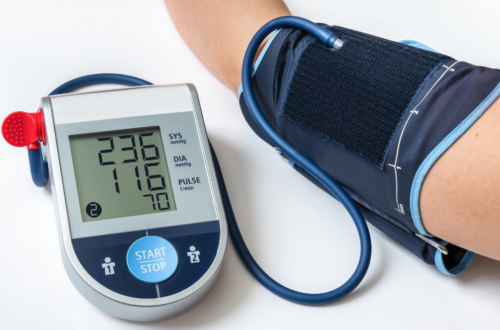
[IMAGE: Blood pressure monitor displaying numbers]
Understanding Blood Pressure Readings
Blood pressure is measured using two numbers: systolic and diastolic. The systolic number (the top number) measures the pressure in your arteries when your heart beats. The diastolic number (the bottom number) measures the pressure in your arteries between beats. For example, a reading of 120/80 mmHg is considered normal according to the American Heart Association (AHA).
It’s important to monitor these numbers because both high and low blood pressure can lead to health issues. High blood pressure, or hypertension, increases the risk of heart disease and stroke. On the other hand, low blood pressure, or hypotension, can cause dizziness and fainting. Regular monitoring can help you detect changes early and take appropriate action.
What Do the Numbers Mean?
Normal blood pressure is usually around 120/80 mmHg. However, “normal” can vary based on individual health factors. According to the AHA, a systolic reading of 130 mmHg or higher or a diastolic reading of 80 mmHg or higher indicates hypertension.
Prehypertension, or elevated blood pressure, falls between 120-129 systolic and less than 80 diastolic. It’s a critical stage where lifestyle changes can prevent full-blown hypertension. Conversely, blood pressure below 90/60 mmHg is considered hypotension, which can be a cause for concern if it results in symptoms like lightheadedness or fatigue.
When to See a Doctor
If your blood pressure readings consistently fall outside the normal range, it’s advisable to consult a healthcare provider. The National Institutes of Health (NIH) recommends seeing a doctor if you experience symptoms like severe headaches, vision problems, or chest pain, which may indicate dangerously high blood pressure.
Even if you’re feeling fine, regular check-ups are key. Hypertension is often called the “silent killer” because it typically has no symptoms until significant damage has occurred. Periodic monitoring and consultations can help manage your numbers effectively.
Expert Insight
“Understanding your blood pressure is the first step in taking control of your heart health. Regular monitoring can help catch potential issues before they become serious.” – Dr. Jane Smith, Cardiologist
Key Statistics
- Nearly half of U.S. adults have high blood pressure (CDC, 2021).
- Only 1 in 4 adults with hypertension have their condition under control (AHA, 2022).
- Hypertension contributes to about 500,000 deaths annually in the U.S. (NIH, 2023).
Frequently Asked Questions
What is considered a dangerous blood pressure reading?
A dangerous reading typically means a systolic number above 180 mmHg or a diastolic number above 120 mmHg, known as a hypertensive crisis. Immediate medical attention is necessary.
How often should I check my blood pressure?
For those diagnosed with hypertension or at risk, the CDC recommends checking your blood pressure at least once a week. Otherwise, at least once every two years during a regular health check-up is advisable.
Can lifestyle changes improve my blood pressure?
Yes, lifestyle changes such as adopting a healthy diet, regular exercise, and reducing sodium intake can significantly improve blood pressure. Consult your healthcare provider for personalized advice.
The Bottom Line
Blood pressure numbers are more than just figures; they are vital signs of your cardiovascular health. Understanding and monitoring these numbers can help prevent serious health issues. If you’re concerned about your blood pressure, discuss it with your doctor.
Next step: [INTERNAL: how-to-lower-blood-pressure-naturally]
This article is for informational purposes only and does not constitute medical advice. Always consult a healthcare provider for advice on your health.
Last updated: January 2026