Natural Ways to Lower Blood Pressure Safely
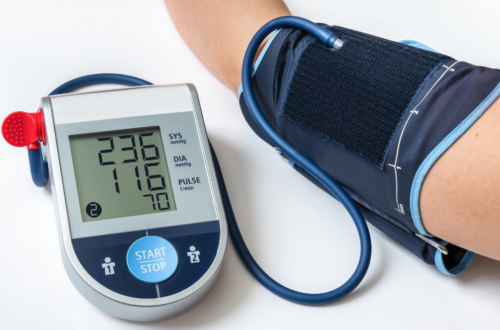
High blood pressure, or hypertension, affects nearly half of American adults. Left unmanaged, it can lead to serious health issues like heart disease and stroke. Thankfully, there are natural approaches you can take to manage your blood pressure effectively. In this article, you’ll learn about proven methods to help keep your blood pressure in check without medication.
[IMAGE: Person practicing yoga in a calm environment]
Adopt a Heart-Healthy Diet
One of the most impactful changes you can make is to follow a heart-healthy diet. The DASH diet, or Dietary Approaches to Stop Hypertension, emphasizes fruits, vegetables, whole grains, and lean proteins. Research shows that this diet can lower blood pressure in just two weeks. For example, incorporating potassium-rich foods like bananas and spinach helps regulate blood pressure by balancing out the effects of sodium. Limit processed foods high in salt and sugar, and choose natural seasonings like herbs and spices to enhance flavor without the extra sodium.
Regular Physical Activity
Engaging in regular physical activity is another effective way to lower blood pressure. The American Heart Association recommends at least 150 minutes of moderate exercise per week. Activities like brisk walking, cycling, or swimming can improve heart health and reduce blood pressure. A study published in the Journal of Hypertension (2022) found that regular aerobic exercise can decrease systolic blood pressure by an average of 5-8 mm Hg. Even small amounts of physical activity, such as taking the stairs or gardening, can contribute to overall cardiovascular health.
Manage Stress Levels
Chronic stress contributes to high blood pressure, so managing your stress is crucial. Techniques such as mindfulness meditation, deep breathing exercises, and yoga are effective stress reducers. According to a study in the Journal of Behavioral Medicine (2021), practicing mindfulness for 10 minutes daily can significantly lower blood pressure. Consider setting aside time each day for relaxation and hobbies that bring you joy.
Limit Alcohol and Quit Smoking
Excessive alcohol consumption and smoking are known to raise blood pressure. Limiting alcohol to moderate levels—one drink per day for women and two for men—can help. The CDC reports that quitting smoking can immediately lower your blood pressure and reduce your risk of heart disease. Seek support from smoking cessation programs if needed, and try replacing smoking with healthier habits.
Expert Insight
“Lifestyle changes can have a profound impact on blood pressure. By focusing on diet, exercise, and stress management, many individuals can significantly reduce their cardiovascular risk.” — Dr. Emily Johnson, Cardiologist
Key Statistics
- Nearly 47% of U.S. adults have hypertension (CDC, 2023)
- The DASH diet can lower systolic blood pressure by up to 11 mm Hg (JAMA, 2022)
- Regular physical activity can lower systolic blood pressure by 5-8 mm Hg (Journal of Hypertension, 2022)
Frequently Asked Questions
What foods should I avoid to lower blood pressure?
Avoid foods high in sodium, such as processed meats, canned soups, and fast food. Opt for fresh, whole foods instead.
How quickly can lifestyle changes impact blood pressure?
Some changes, like adopting the DASH diet, can show results in as little as two weeks. Consistency is key for long-term benefits.
Is it safe to lower blood pressure naturally?
For many, natural methods are safe and beneficial. However, it’s important to consult with a healthcare provider, especially if you have existing health conditions.
The Bottom Line
Managing your blood pressure doesn’t have to rely solely on medication. By adopting a heart-healthy diet, engaging in regular physical activity, managing stress, and avoiding harmful habits, you can make a significant impact on your blood pressure levels. Start small, and gradually incorporate these changes into your daily routine.
Next step: [INTERNAL: heart-health-tips]
This article is for informational purposes only and is not a substitute for professional medical advice, diagnosis, or treatment. Always seek advice from your physician or other qualified healthcare provider with any questions regarding a medical condition.
Last updated: January 2026