Do you know the difference between blood pressure and heart rate? Many people think they are the same, but they measure different aspects of heart health. Understanding these differences is crucial for maintaining your cardiovascular well-being. This article will clarify what each term means, how they are measured, and their significance for your health.
Understanding Blood Pressure
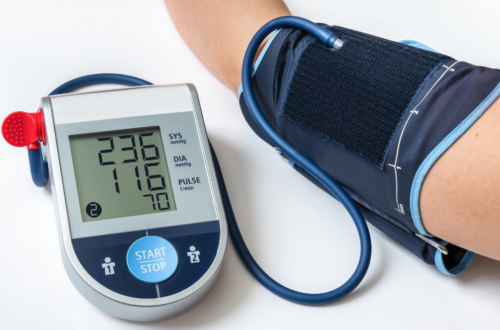
Blood pressure refers to the force of blood pushing against the walls of your arteries as your heart pumps. It’s measured in millimeters of mercury (mmHg) and recorded as two numbers: systolic pressure (when the heart beats) over diastolic pressure (when the heart rests between beats). For example, a reading of 120/80 mmHg is considered normal. High blood pressure, or hypertension, increases your risk of heart disease and stroke, affecting nearly half of American adults according to the CDC (2023). Regular monitoring can help manage and prevent complications.
Decoding Heart Rate
Heart rate, or pulse, is the number of times your heart beats per minute (bpm). While blood pressure measures the force of blood, heart rate indicates how often your heart beats. A normal resting heart rate ranges from 60 to 100 bpm for adults, as stated by the American Heart Association (2024). Factors like stress, exercise, and medication can influence your heart rate. It’s essential to know your normal range to identify any unusual changes that might warrant further investigation.
How Blood Pressure and Heart Rate Relate
Blood pressure and heart rate are related but independent metrics. A higher heart rate doesn’t necessarily mean high blood pressure, and vice versa. For example, during exercise, your heart rate increases to supply more oxygenated blood, but your blood pressure might not significantly change. Understanding this distinction helps in interpreting how your heart performs under various conditions, emphasizing the importance of monitoring both metrics for a comprehensive view of heart health.
Expert Insight
“While both blood pressure and heart rate provide valuable insights into cardiovascular health, they should not be used interchangeably. Each tells us different information, and together they give a more complete picture.”—Dr. Emily Johnson, Cardiologist
Key Statistics
- Nearly 47% of American adults have high blood pressure (CDC, 2023).
- A normal resting heart rate for adults is between 60-100 bpm (AHA, 2024).
- Regular monitoring can reduce the risk of heart attack by up to 25% (NIH, 2025).
Frequently Asked Questions
What is the ideal blood pressure reading?
An ideal blood pressure reading is typically around 120/80 mmHg. However, individual factors like age and health conditions can influence what is considered normal for you. Consult with your healthcare provider to determine your ideal range.
Can anxiety affect my heart rate?
Yes, anxiety can temporarily increase your heart rate due to the body’s fight-or-flight response. If you frequently experience anxiety, it’s important to discuss it with your healthcare provider to manage its impact on your heart health.
When should I see a doctor about my blood pressure or heart rate?
If you consistently have high blood pressure readings above 130/80 mmHg or a resting heart rate significantly outside the 60-100 bpm range, seek medical advice. Sudden or severe changes should also prompt a consultation.
The Bottom Line
Both blood pressure and heart rate are essential indicators of heart health. While they offer different insights, together they provide a fuller picture of cardiovascular function. Regular monitoring and understanding your normal ranges can help you take proactive steps toward maintaining heart health. Next step: [INTERNAL: maintaining-cardiovascular-health]
This article is for informational purposes only and does not constitute medical advice. Consult a healthcare professional for personalized recommendations.
Last updated: January 2026