High blood pressure often goes unnoticed until it’s a serious issue. Understanding when to check blood pressure regularly can help you manage your health proactively and potentially prevent complications. In this article, you’ll learn about crucial times to monitor your blood pressure and how it can impact your overall well-being.
Why Regular Blood Pressure Monitoring Matters
Blood pressure is a critical indicator of cardiovascular health. The American Heart Association (AHA) recommends regular monitoring because nearly half of American adults have high blood pressure, yet many are unaware of it (AHA, 2023). Regular checks can help identify hypertension early, allowing for timely intervention. For example, if you have a family history of heart disease, frequent monitoring can be crucial in managing your risk.
When Should You Check Your Blood Pressure?
For most adults, it’s advisable to check blood pressure at least once every two years starting at age 18. However, if you’re over 40 or at increased risk, annual checks are recommended (CDC, 2023). Certain conditions, like diabetes or kidney disease, necessitate more frequent monitoring. It’s also wise to check more often if you’re starting new medications or experiencing symptoms like dizziness or headaches.
How Lifestyle Impacts Blood Pressure
Your lifestyle choices play a significant role in your blood pressure levels. Diet, exercise, and stress management are key factors. A diet high in salt and low in potassium can lead to elevated blood pressure. Regular physical activity, on the other hand, can lower it. The CDC reports that only 23% of Americans get the recommended amount of exercise weekly (CDC, 2023). Adopting healthier habits can make a notable difference.
Tools and Techniques for Accurate Monitoring
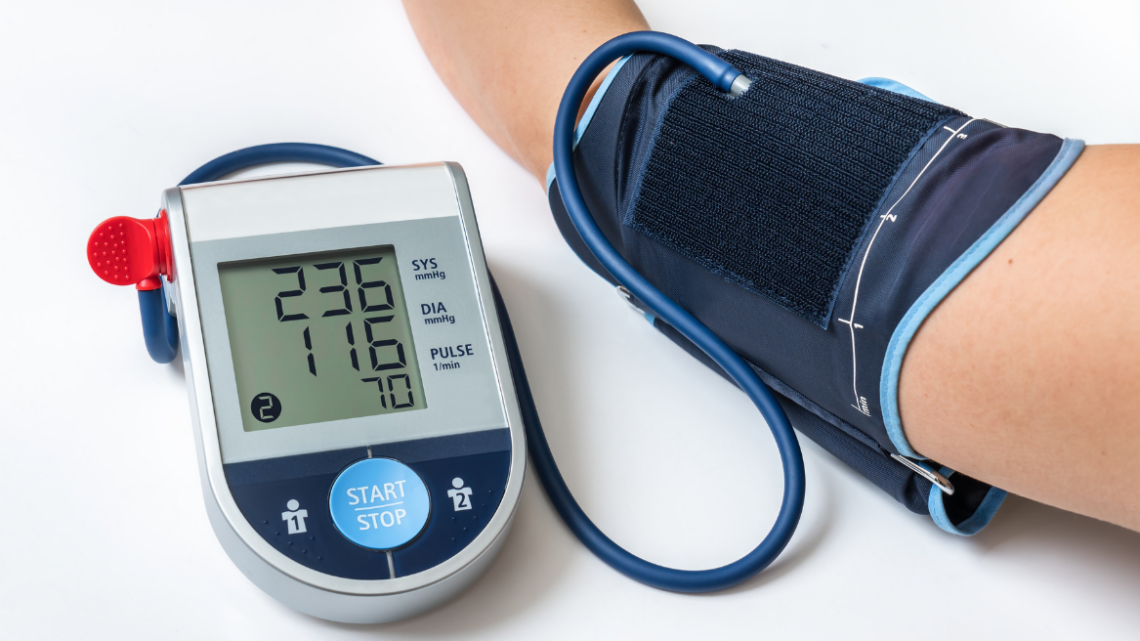
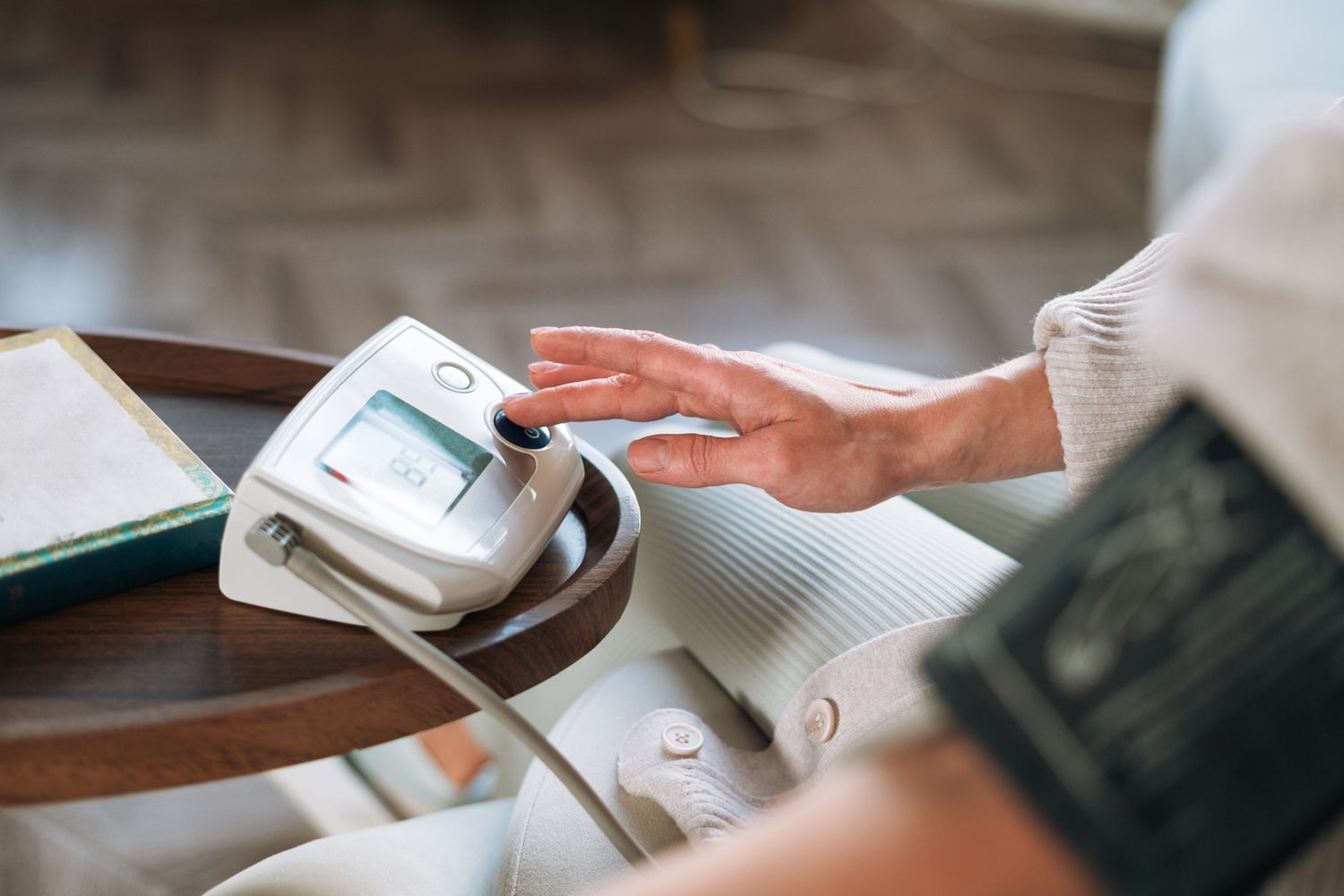
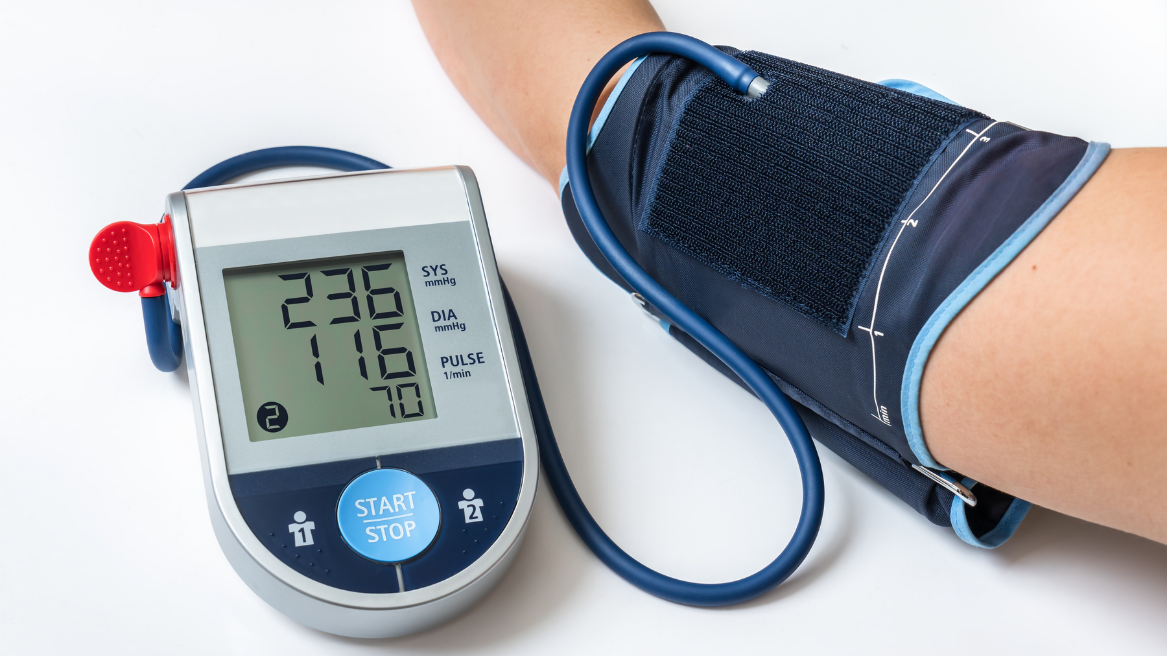
Using a reliable home blood pressure monitor can provide valuable insights. Ensure the cuff fits properly, and follow instructions for accurate readings. Consider taking readings at the same time each day for consistency. Consult with your healthcare provider to understand your results and adjust your health plan as needed.
Expert Insight
“Regular blood pressure monitoring empowers patients to take control of their health. It’s a simple yet effective way to prevent serious conditions,” says Dr. Lisa Thompson, MD, a cardiologist with over 20 years of experience.
Key Statistics
- Nearly 47% of U.S. adults have hypertension (CDC, 2023).
- High blood pressure contributes to nearly 500,000 deaths each year (NIH, 2022).
- Only 24% of people with hypertension have it under control (AHA, 2023).
Frequently Asked Questions
How often should I check my blood pressure at home?
For those with hypertension or at risk, daily monitoring may be recommended. Otherwise, weekly checks can suffice. Always consult your doctor for personalized advice.
Can stress cause high blood pressure?
Yes, chronic stress can contribute to elevated blood pressure. Managing stress through techniques like meditation or exercise can help mitigate its effects.
What is considered a normal blood pressure reading?
A normal reading is typically around 120/80 mmHg. Readings consistently over 130/80 mmHg may indicate hypertension.
The Bottom Line
Regular blood pressure checks are essential for maintaining heart health. By staying informed and proactive, you can take charge of your health. Remember, knowledge is power, and regular monitoring can make a significant difference.
Next step: [INTERNAL: managing-high-blood-pressure]
This article is for informational purposes only and does not substitute for professional medical advice. Always consult your healthcare provider regarding any health concerns.
Last updated: January 2026