Understanding Why Blood Pressure Increases With Age
As you age, maintaining healthy blood pressure becomes increasingly important. Understanding why blood pressure tends to increase with age can help you take proactive steps in managing your health. In this article, you’ll learn about the factors contributing to this rise and discover practical tips to maintain optimal blood pressure levels.
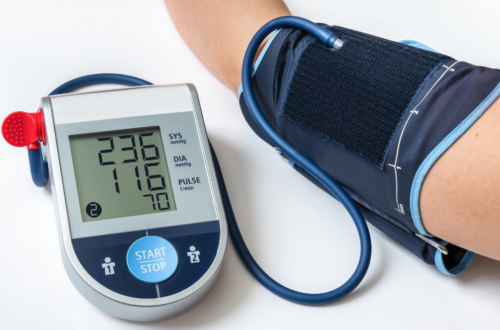
[IMAGE: Image of an elderly person checking their blood pressure]
Why Does Blood Pressure Increase With Age?
Blood pressure typically increases with age due to several physiological changes. As you grow older, your blood vessels naturally become less elastic, making it harder for blood to flow smoothly. This increased resistance raises your blood pressure. Moreover, the walls of the arteries may thicken from accumulated plaque, a condition known as atherosclerosis, which further elevates blood pressure levels.
Aside from these physical changes, lifestyle factors such as diet, physical activity, and stress levels also play a significant role. For example, a diet high in sodium and low in potassium can exacerbate blood pressure issues. Regular physical activity can help maintain healthy blood pressure, yet many people become less active as they age, contributing to the problem.
Age-Related Changes and Their Impact
According to the American Heart Association, about 70% of U.S. adults aged 65 or older have high blood pressure (hypertension). This statistic underscores how common the condition is among older adults. Aging affects the kidneys’ ability to regulate sodium and fluid balance, which can result in higher blood pressure.
Furthermore, structural changes in the heart, such as thickening of the heart muscle, can occur with age. These changes may cause the heart to work harder to pump blood, ultimately increasing blood pressure. Hormonal changes, including those related to menopause, can also impact blood pressure regulation, particularly in women.
Expert Insight
“As we age, our cardiovascular system undergoes changes that can lead to increased blood pressure. It’s crucial to monitor these changes and adapt lifestyle choices accordingly,” says Dr. Emily Johnson, MD, a cardiologist with over 20 years of experience in geriatric care.
Key Statistics
- Approximately 45% of U.S. adults have hypertension, according to the CDC (2023).
- By age 60, about 65% of people have high blood pressure, as reported by the NIH.
- High blood pressure was a primary or contributing cause of death for more than 516,000 Americans in 2019 (CDC).
Frequently Asked Questions
What is considered normal blood pressure for seniors?
For most adults, including seniors, normal blood pressure is defined as a reading below 120/80 mm Hg. However, some guidelines suggest slightly higher targets for older adults to balance the benefits and risks of treatment.
Can lifestyle changes really make a difference in managing blood pressure?
Yes, lifestyle changes like adopting a healthier diet, increasing physical activity, and reducing sodium intake can significantly impact blood pressure management. Consult with a healthcare provider for personalized advice.
When should I see a doctor about my blood pressure?
If you consistently have readings above 130/80 mm Hg, it’s advisable to consult a healthcare professional. Additionally, if you experience symptoms like headaches, dizziness, or nosebleeds, seek medical advice promptly.
The Bottom Line
Understanding why blood pressure increases with age can help you take effective measures to manage it. Regular monitoring, lifestyle adjustments, and consulting healthcare providers are key strategies. Stay informed and proactive about your heart health.
Next step: [INTERNAL: managing-high-blood-pressure-naturally]
This article is for informational purposes only and does not substitute professional medical advice. Always consult a healthcare provider regarding any medical concerns.
Last updated: January 2026