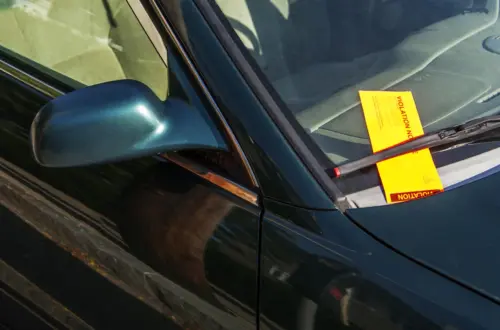
Unpaid traffic fines can lead to more serious legal consequences. If left unresolved, these seemingly minor infractions might escalate into warrants for your arrest. This article will help you understand how this process works and what steps you can take to protect yourself.

Understanding the Consequences of Unpaid Traffic Fines
Unpaid traffic fines might seem like a minor issue, but they can quickly become more serious if ignored. In many states, failure to pay a traffic fine can result in a bench warrant, which authorizes law enforcement to arrest you. For example, in Texas, if you fail to pay a traffic ticket or appear in court, a warrant may be issued for your arrest, as per the Texas Department of Public Safety. This is similar in other states like California and New York, where unpaid fines can lead to suspended licenses and additional penalties. It’s essential to address fines promptly to avoid escalating legal issues.
The Legal Process: From Fine to Warrant
When you receive a traffic ticket, it typically includes a deadline for payment or a court appearance. If you miss these deadlines, the court may issue a warrant. According to the National Center for State Courts, this process usually involves several steps. Initially, you receive a notice of failure to appear or pay, followed by a notice of warrant issuance. The timeline can vary by state, but the process often takes a few weeks to a few months. It’s crucial to keep track of deadlines and respond to any court communications promptly.
State-by-State Variations in Handling Traffic Warrants
Laws regarding traffic warrants differ across states. For instance, in Florida, the Department of Highway Safety and Motor Vehicles may suspend your driver’s license if you fail to comply with a court order related to a traffic violation. In contrast, Ohio might impose additional fines and fees on top of the original ticket. Understanding the specific laws in your state can help you manage the situation better. Always check your state’s DMV or courthouse website for the most accurate information.
Expert Insight
“Ignoring traffic fines can lead to more than just a bad day in court. It can affect your credit score and even result in jail time,” says John Harris, a seasoned paralegal with over 15 years in traffic law.
Key Statistics
- Over 30 million people in the U.S. receive traffic tickets each year (source: National Motorists Association).
- Approximately 11% of all license suspensions are due to unpaid fines (source: American Association of Motor Vehicle Administrators).
- In 2022, over 5 million bench warrants were issued for unpaid traffic tickets (source: Bureau of Justice Statistics).
Frequently Asked Questions
What happens if I ignore a traffic ticket?
If you ignore a traffic ticket, you may face increased fines, a suspended license, or a warrant for your arrest. It’s best to address it immediately to avoid these consequences.
Can I resolve a traffic warrant without going to jail?
Yes, many jurisdictions allow you to pay the fine or appear in court to resolve the warrant without arrest. Contact the court as soon as possible to discuss your options.
How can I check if I have a warrant for unpaid fines?
You can check for warrants by contacting your local courthouse or using online resources provided by your state’s judicial department.
The Bottom Line
Unpaid traffic fines can quickly lead to warrants, complicating your legal standing. By understanding the process and your state’s specific laws, you can take steps to resolve issues before they escalate. Stay informed and proactive about handling any tickets you receive.
Next step: [INTERNAL: handling-traffic-tickets-effectively]
This is not legal advice. Please consult a legal professional for specific guidance related to your situation.
Last updated: January 2026