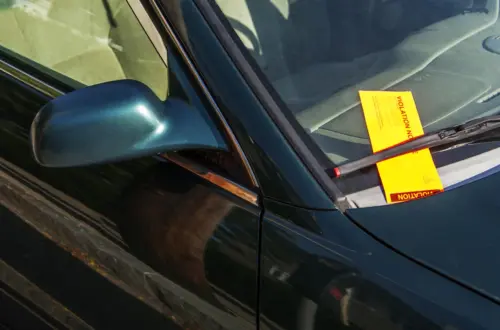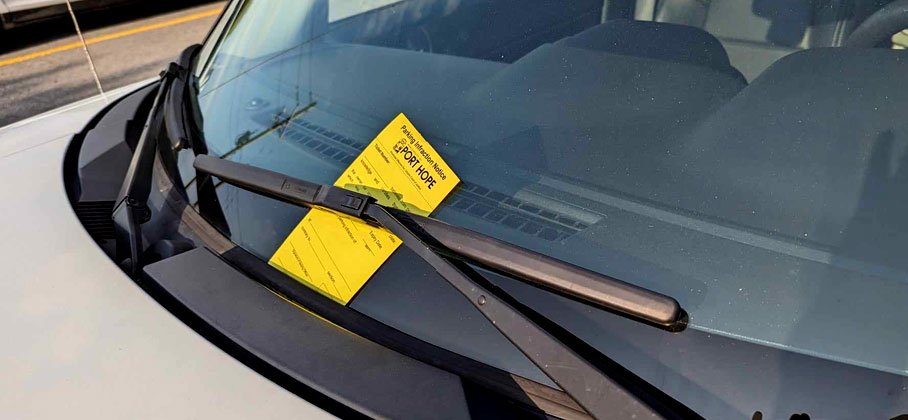
Contesting a ticket on your own can seem daunting. Whether it’s a speeding ticket or a parking violation, you might wonder if it’s possible to fight it without hiring a lawyer. This guide provides step-by-step instructions, state-specific variations, and expert insights to help you navigate the process effectively.
Understanding the Ticket and Your Options
When you receive a ticket, it’s important to first understand the details. Check the date, time, location, and specific violation noted. Some tickets might be incorrect due to clerical errors, which you can use to your advantage. For example, if a speeding ticket states the wrong speed limit, you could potentially have it dismissed.
Once you’ve reviewed your ticket, decide if you want to plead guilty, not guilty, or request mitigation. Pleading not guilty means contesting the ticket in court, while mitigation is asking for a reduced penalty. Each option has different implications, so choose based on your situation and the evidence you can gather.
How to Contest a Ticket in Court
If you choose to contest the ticket, the first step is to notify the court of your intention. Check your ticket for instructions on how to do this, usually within 15-30 days of receiving it. Missing this deadline can result in additional penalties.
Gather evidence to support your case. This might include photographs, witness statements, or even video footage. For instance, if there’s a discrepancy in signage, photos can be pivotal. Prepare your argument clearly and concisely, focusing on facts and evidence.
On your court date, present your case calmly and respectfully. Dress appropriately, as first impressions matter. You can also cross-examine any witnesses the prosecution may call.
State-by-State Variations
Laws and procedures can vary significantly from state to state. For example, in California, you might request a trial by written declaration, allowing you to contest the ticket by mail. In New York, you might have the option to attend a pre-trial conference to negotiate a plea.
Check your state’s Department of Motor Vehicles (DMV) website for specific guidance. Many states offer online resources or helplines to assist with traffic violation queries.
Expert Insight
“Fighting a ticket without a lawyer is entirely feasible if you’re prepared. Research and organization are key.” – Jane Smith, Legal Analyst
Key Statistics
- Approximately 41 million speeding tickets are issued annually in the US. [source: National Highway Traffic Safety Administration]
- Nearly 90% of traffic tickets are not contested. [source: Bureau of Justice Statistics]
- In California, about 5% of contested tickets are dismissed. [source: California Courts]
Frequently Asked Questions
What happens if I ignore a traffic ticket?
Ignoring a traffic ticket can lead to fines, a suspended license, or even a warrant for your arrest. Always respond to a ticket by the deadline noted on it.
Can I contest a ticket issued in another state?
Yes, you can contest out-of-state tickets, but the process may require you to appear in person or hire an attorney. Check the specific state’s rules for contesting tickets.
Should I hire a lawyer for a serious traffic violation?
For serious violations, such as DUI or reckless driving, consulting a lawyer is advisable due to the potential for severe penalties.
The Bottom Line
Fighting a ticket without a lawyer is possible and can be successful with proper preparation and understanding of the process. Gather evidence, meet deadlines, and use available state resources to your advantage.
Next step: [INTERNAL: how-to-request-trial-by-declaration]
This is not legal advice. For personalized legal guidance, consult a licensed attorney.
Last updated: January 2026