Early Warning Signs of Heart Problems You Shouldn’t Ignore
Recognizing the early warning signs of heart problems can save your life. Heart disease remains the leading cause of death in the United States, with the CDC reporting approximately 697,000 deaths in 2022 alone. Understanding these signs is crucial for early intervention and prevention. In this article, you’ll learn about the symptoms to watch for, when to consult a healthcare provider, and practical lifestyle tips for heart health.
[IMAGE: Illustration of a heart with highlighted warning signs]
Identifying the Symptoms of Heart Problems
Heart problems can manifest in a variety of ways, and recognizing these symptoms early can be vital. Common signs include chest pain, shortness of breath, and fatigue. Chest pain, often described as a squeezing or pressure sensation, is a classic symptom of a heart attack. However, not all heart problems present with obvious signs. For example, shortness of breath can occur during physical activity or even at rest, indicating potential heart failure or coronary artery disease. Fatigue, especially when it is new or unexplained, can also be a sign that your heart is not pumping efficiently.
Understanding the Risk Factors
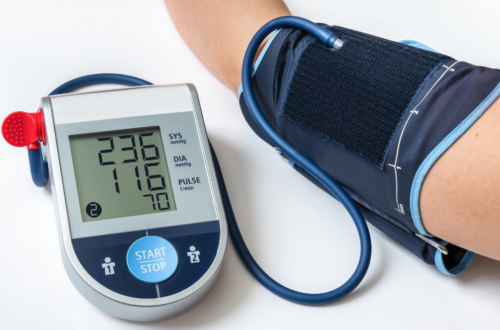
Several factors increase the risk of developing heart problems. According to the American Heart Association, high blood pressure, high cholesterol, and smoking are key risk contributors. Diabetes and obesity also significantly increase the likelihood of heart disease. Lifestyle choices such as a sedentary lifestyle, unhealthy diet, and excessive alcohol consumption play a role as well. Family history can further elevate risk, making it important to be proactive if heart disease runs in your family. Regular check-ups and monitoring of blood pressure and cholesterol levels are crucial.
When to See a Doctor
Deciding when to consult a healthcare provider can be challenging. If you experience any of the warning signs mentioned, it is essential to seek medical advice promptly. The Mayo Clinic advises seeing a doctor if you have persistent chest pain, shortness of breath, or fainting spells. Early detection can lead to better outcomes, so err on the side of caution.
Expert Insight
“Early detection and management of heart disease symptoms are crucial. Patients should not hesitate to report even mild or atypical symptoms.” — Dr. Sarah Johnson, Cardiologist, MD, FACC
Key Statistics
- Heart disease causes 1 in every 4 deaths in the U.S. annually (CDC, 2023).
- About 805,000 Americans have a heart attack each year (AHA, 2022).
- 50% of men and 64% of women who die suddenly of coronary heart disease had no previous symptoms (NIH, 2023).
Frequently Asked Questions
What are the first signs of heart problems?
The first signs can include chest discomfort, unusual fatigue, and shortness of breath. It’s important to see a healthcare provider if these symptoms persist or worsen.
Can heart problems be detected early?
Yes, through regular medical check-ups, screenings like EKGs, and monitoring of blood pressure and cholesterol levels, early detection is possible.
Are heart problems reversible?
While some damage is permanent, lifestyle changes and medical treatments can improve heart function and reduce risk. Consult your doctor for personalized advice.
The Bottom Line
Understanding and recognizing the early warning signs of heart problems can significantly affect outcomes. If you notice any symptoms or have risk factors, consult a healthcare provider. Taking proactive steps can lead to better heart health and potentially save your life.
Next step: [INTERNAL: managing-high-blood-pressure-tips]
This article is for informational purposes only and does not constitute medical advice. Always consult a healthcare professional for medical concerns.
Last updated: January 2026