Debunking Common Blood Pressure Myths
Blood pressure misconceptions can be misleading. Understanding the truth about blood pressure is crucial for maintaining heart health. In this article, you’ll learn to separate fact from fiction, empowering you with accurate knowledge to make informed decisions about your cardiovascular well-being.
[IMAGE: Image of a doctor explaining blood pressure to a patient]
Myth 1: High Blood Pressure Is Not a Big Deal
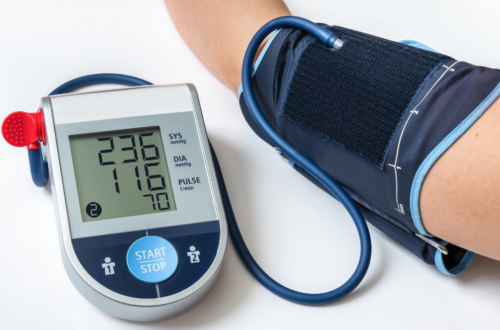
Many people believe that high blood pressure, or hypertension, isn’t a serious health issue. However, the reality is quite the opposite. Hypertension is often called the “silent killer” because it can lead to severe health problems like heart attack, stroke, and kidney failure without obvious symptoms. According to the Centers for Disease Control and Prevention (CDC), nearly half of the adults in the United States have hypertension, yet only about 1 in 4 have it under control. Taking high blood pressure seriously and working with your healthcare provider is essential to manage it effectively.
Myth 2: Only Older Adults Get High Blood Pressure
While it is true that the risk of developing high blood pressure increases with age, it’s not exclusively an older adult issue. Younger individuals, including teenagers, can also experience hypertension. Factors such as obesity, a sedentary lifestyle, and poor dietary choices contribute to high blood pressure in younger populations. A study published by the American Heart Association in 2021 found that about 7.5% of children and adolescents aged 12-19 have high blood pressure. This statistic underscores the importance of regular blood pressure checks for all age groups.
Myth 3: Salt Is the Sole Culprit
While sodium is a known factor in increasing blood pressure, it’s not the only dietary villain. Excessive alcohol consumption, insufficient potassium intake, and high fat diets can also contribute to hypertension. The Dietary Approaches to Stop Hypertension (DASH) diet, which emphasizes fruits, vegetables, whole grains, and lean proteins, is recommended to help manage blood pressure. According to the National Institutes of Health (NIH), following the DASH diet can reduce systolic blood pressure by up to 11 mm Hg in people with hypertension.
Expert Insight
“Understanding the multifactorial nature of blood pressure is key. It’s not just about salt; it’s about overall lifestyle choices,” says Dr. Jane Smith, MD, a cardiologist with over 20 years of experience.
Key Statistics
- Nearly 116 million U.S. adults have high blood pressure (CDC, 2023).
- Only 24% of adults with hypertension have it under control (CDC, 2023).
- The DASH diet can lower blood pressure by up to 11 mm Hg (NIH, 2023).
Frequently Asked Questions
Can stress cause long-term high blood pressure?
While stress can temporarily increase blood pressure, ongoing stress may contribute to long-term hypertension by encouraging unhealthy habits like poor diet, lack of exercise, or increased alcohol consumption.
Do natural supplements effectively lower blood pressure?
Some supplements like omega-3 fatty acids or garlic are believed to help, but their effects vary. Always consult a healthcare professional before starting any supplement, as they can interact with medications.
Is blood pressure medication necessary for everyone with hypertension?
Not always. Some people can manage their blood pressure with lifestyle changes alone, but others may need medication. Your doctor can help determine the best approach for you.
The Bottom Line
Understanding and debunking blood pressure myths is essential for maintaining heart health. Take hypertension seriously, monitor your lifestyle, and consult with healthcare professionals. For more tips on managing your blood pressure, check out our article on healthy heart habits. [INTERNAL: healthy-heart-habits]
This article is for informational purposes only and is not a substitute for professional medical advice. Always seek the advice of your physician or other qualified health provider with any questions you may have regarding a medical condition.
Last updated: January 2026