Top Foods to Lower Blood Pressure Naturally
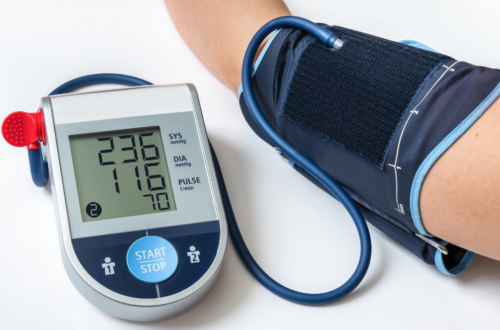
High blood pressure affects nearly half of adults in the United States. If left unmanaged, it can lead to heart disease and stroke, which are leading causes of death according to the CDC. Fortunately, certain foods can help manage blood pressure levels. In this article, you’ll learn about the best foods to include in your diet to support your heart health and maintain healthy blood pressure.
[IMAGE: Array of heart-healthy foods including fruits, vegetables, nuts, and whole grains]
Leafy Greens: A Heart-Healthy Choice
Leafy greens such as spinach, kale, and collard greens are rich in potassium, which helps your kidneys eliminate more sodium through your urine. This process helps lower blood pressure. A study published in the American Journal of Clinical Nutrition in 2021 found that increased potassium intake is associated with a reduction in blood pressure levels. Try incorporating these greens into your meals by adding them to salads, smoothies, or as a side dish.
Berries: Packed with Heart-Healthy Compounds
Berries, especially blueberries and strawberries, contain flavonoids that have been linked to lower blood pressure levels. According to research in the Journal of Nutrition (2020), consuming just one serving of berries per week can help lower the risk of developing hypertension. Enjoy berries as a snack, in yogurt, or blended into a refreshing smoothie.
Oats: A Fiber-Rich Option
Oats are high in a type of fiber called beta-glucan, which has been shown to lower blood pressure levels. A 2019 meta-analysis published in the Journal of Hypertension found that daily consumption of oats can lead to a significant reduction in both systolic and diastolic blood pressure. Start your day with a bowl of oatmeal topped with fruits and nuts for a heart-healthy breakfast.
Bananas: A Potassium Powerhouse
Bananas are another excellent source of potassium. The American Heart Association recommends aiming for 4,700 mg of potassium per day to help manage blood pressure. Eating just one banana provides about 9% of this daily requirement. Bananas make for a convenient and nutritious snack on the go.
Fatty Fish: Rich in Omega-3s
Fatty fish like salmon and mackerel are rich in omega-3 fatty acids, which have been shown to reduce blood pressure levels. A study in the American Journal of Hypertension in 2022 demonstrated that regular consumption of omega-3s leads to a decrease in both systolic and diastolic blood pressure. Aim to include fatty fish in your diet at least twice a week for optimal heart health benefits.
Expert Insight
“Incorporating a variety of these nutrient-rich foods into your daily diet can significantly impact your blood pressure management and overall cardiovascular health.” — Dr. Emily Hart, Nutritionist, PhD
Key Statistics
- Nearly 116 million U.S. adults have high blood pressure (CDC, 2023).
- High potassium intake can decrease blood pressure by 4.4 mmHg (American Journal of Clinical Nutrition, 2021).
- Omega-3 fatty acids can reduce systolic blood pressure by 4 mmHg (American Journal of Hypertension, 2022).
Frequently Asked Questions
What is the best fruit for lowering blood pressure?
Berries, particularly blueberries and strawberries, are highly effective due to their high flavonoid content, which helps lower blood pressure.
How does potassium lower blood pressure?
Potassium helps balance sodium levels in your body and facilitates the elimination of excess sodium, which lowers blood pressure.
How often should I eat fatty fish for heart health?
It’s recommended to consume fatty fish like salmon at least twice a week to benefit from their omega-3 fatty acids.
The Bottom Line
Eating a diet rich in leafy greens, berries, oats, bananas, and fatty fish can positively impact your blood pressure levels. By incorporating these foods into your meals, you can support your heart health and reduce the risk of hypertension-related complications. Next step: [INTERNAL: heart-healthy-diet-guide]
Always consult with a healthcare provider before making significant changes to your diet, especially if you have underlying health conditions.
Last updated: January 2026