Understanding Blood Pressure Numbers: A Complete Guide
Blood pressure can be a silent indicator of health. Knowing your numbers is crucial to maintaining heart health and preventing complications. In this guide, you’ll learn what blood pressure numbers mean, why they matter, and when to seek medical advice. Understanding these numbers can empower you to take control of your health and make informed decisions.
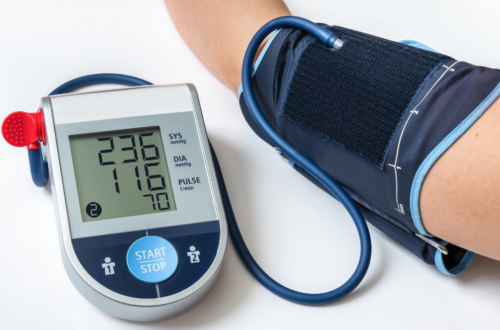
[IMAGE: Diagram showing blood pressure reading components]
What Do Blood Pressure Numbers Mean?
Blood pressure is measured using two numbers: systolic and diastolic. The systolic number, the higher of the two, measures the pressure in your arteries when your heart beats. The diastolic number, the lower, measures the pressure when your heart rests between beats. For example, a reading of 120/80 mmHg means the systolic pressure is 120, and the diastolic pressure is 80. Understanding these numbers helps you gauge your risk for heart disease and stroke. The American Heart Association (AHA) defines normal blood pressure as less than 120/80 mmHg, while hypertension starts at 130/80 mmHg or higher.
Why Blood Pressure Matters
High blood pressure, or hypertension, is often called the “silent killer” because it typically has no symptoms. Yet, it increases the risk of serious health issues like heart attack and stroke. According to the Centers for Disease Control and Prevention (CDC), nearly half of adults in the United States have hypertension, but only about one in four have it under control (CDC, 2023). Regular monitoring can help you catch issues early and make necessary lifestyle adjustments.
Factors Affecting Blood Pressure
Several factors can influence blood pressure numbers. These include age, weight, diet, activity level, and stress. Genetics also play a role, making some individuals more predisposed to high blood pressure. Lifestyle changes, such as reducing salt intake, exercising regularly, and managing stress, can positively impact your blood pressure. It’s essential to understand these factors to maintain healthy numbers.
When to See a Doctor
Regular check-ups with your healthcare provider are vital, especially if you have a family history of hypertension or heart disease. You should see a doctor if your blood pressure consistently reads above 130/80 mmHg. Other signs to watch for include headaches, shortness of breath, or nosebleeds, though these only occur when blood pressure is dangerously high. Early intervention can prevent complications and improve quality of life.
Expert Insight
“Understanding your blood pressure numbers is a key step in managing your cardiovascular health. Regular monitoring and lifestyle adjustments can significantly reduce your risk of heart disease.” – Dr. Sarah Johnson, Cardiologist, MD
Key Statistics
- Nearly 1 in 2 adults in the US have hypertension (CDC, 2023).
- Only 24% of these individuals have their condition under control (CDC, 2023).
- Hypertension contributes to about 500,000 deaths in the US each year (NIH, 2023).
Frequently Asked Questions
What is considered a normal blood pressure range?
Normal blood pressure is generally considered to be less than 120/80 mmHg. Maintaining a healthy lifestyle can help keep your numbers in this range.
How often should I monitor my blood pressure?
It’s recommended to check your blood pressure at least once a year at your annual physical. If you have hypertension or risk factors, your doctor may suggest more frequent monitoring.
Can lifestyle changes really lower blood pressure?
Yes, lifestyle changes like eating a balanced diet, exercising, and reducing stress can help lower blood pressure. These steps can be effective alongside medical treatment for those with hypertension.
The Bottom Line
Understanding blood pressure numbers is crucial for maintaining heart health. By knowing what your numbers mean and how to manage them, you can reduce your risk of serious health issues. Regular monitoring and lifestyle changes are powerful tools for prevention. Next step: [INTERNAL: understanding-hypertension]
This article is for informational purposes only and should not be considered medical advice. Please consult a healthcare professional for personal advice.
Last updated: January 2026