Understanding Why Blood Pressure Increases With Age
As you get older, maintaining healthy blood pressure becomes increasingly challenging. This article explains the reasons behind rising blood pressure with age, backed by scientific studies and expert insights. You’ll also find practical tips for managing your blood pressure effectively as you age.
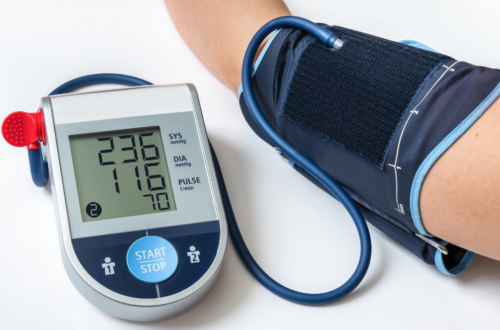
[IMAGE: Illustration of blood pressure reading with age markers]
How Aging Affects Blood Vessels
As you age, the elasticity of your blood vessels decreases, making them stiffer. This stiffness is due to the gradual build-up of fatty deposits, known as atherosclerosis. The American Heart Association notes that this change can lead to higher blood pressure, as your heart needs to pump harder to push blood through narrower and less flexible arteries. For instance, a 60-year-old might have higher blood pressure than they did at 30, even with a similar lifestyle. Regular exercise and a balanced diet can help maintain artery health, reducing these effects.
The Role of Lifestyle and Genetics
While aging is a natural process, lifestyle choices and genetics also play significant roles in blood pressure changes. A sedentary lifestyle, poor diet, and smoking can exacerbate age-related increases in blood pressure. According to the CDC, about 45% of adults in the United States have hypertension, with prevalence increasing with age. Genetic predisposition can also increase your risk, making regular monitoring and lifestyle modifications essential. Managing stress, reducing sodium intake, and maintaining a healthy weight can all contribute to healthier blood pressure levels.
Understanding Hormonal Changes
Hormonal changes as you age can also impact blood pressure. The NIH highlights that menopause in women often leads to increased blood pressure due to decreased estrogen levels. Similarly, changes in kidney function with age can affect the regulation of blood pressure. Therefore, regular check-ups are crucial to detect these changes early. Discussing any unusual symptoms with your healthcare provider can help in adjusting your management plan effectively.
Expert Insight
“Aging is an inevitable process, but maintaining a healthy lifestyle can significantly mitigate the risks of developing hypertension,” says Dr. Emily Tran, Cardiologist, MD, from the American Heart Association.
Key Statistics
- Approximately 70% of Americans aged 65 and older have high blood pressure (CDC, 2021).
- Blood pressure typically increases by 1-2 mm Hg per decade (NIH, 2022).
- Women are more likely to develop high blood pressure post-menopause (AHA, 2023).
Frequently Asked Questions
Why does blood pressure increase with age?
As you age, your blood vessels lose elasticity, and lifestyle factors like diet and exercise play a role. Hormonal changes and genetic predisposition also contribute to increased blood pressure.
How can I prevent high blood pressure as I age?
Maintain a balanced diet, exercise regularly, avoid smoking, and manage stress. Regular blood pressure checks and following your doctor’s advice are also essential.
When should I see a doctor about my blood pressure?
If your blood pressure readings consistently exceed 130/80 mm Hg or if you experience symptoms like headaches, dizziness, or visual changes, consult your healthcare provider.
The Bottom Line
Understanding why blood pressure increases with age empowers you to take proactive steps. Embrace a healthy lifestyle and consult healthcare professionals for personalized advice. Monitoring your blood pressure regularly can help you stay on top of your health.
Next step: [INTERNAL: managing-hypertension-tips]
This article is for informational purposes only and does not substitute professional medical advice. Always consult with a healthcare provider for medical guidance.
Last updated: January 2026